Fitbit
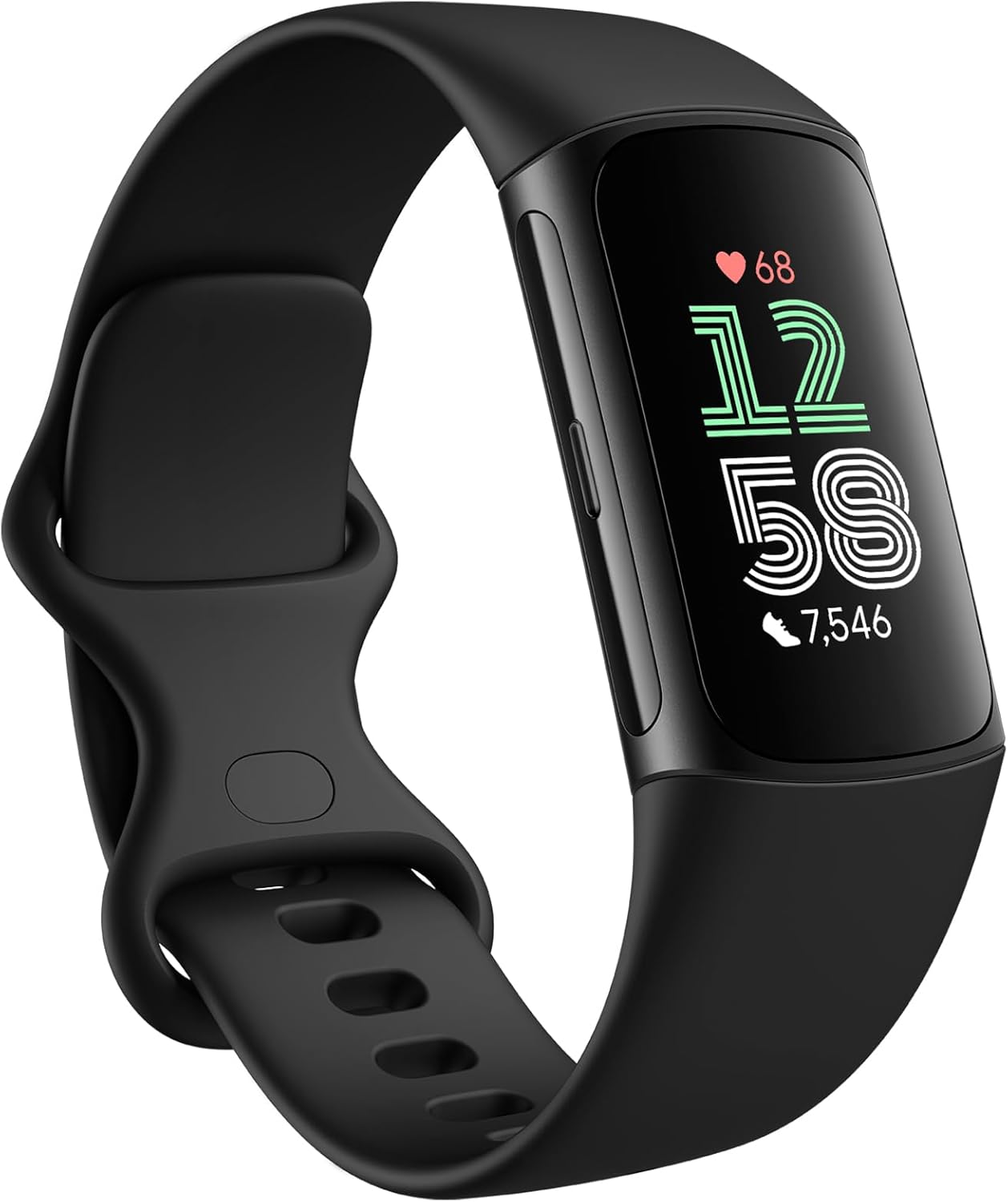
Fitbit Charge 6 Fitness Tracker Black
The Charge 6 delivers competent health tracking with Google app integration and reliable GPS, but costs three times more than the Xiaomi Band 9 for similar core fitness metrics.
£119.99
£119.99Check Price on AmazonOur Verdict
The Charge 6 delivers competent health tracking with Google app integration and reliable GPS, but costs three times more than the Xiaomi Band 9 for similar core fitness metrics.
What we like
- + Accurate GPS and heart rate sensor
- + AMOLED display is bright and sharp
- + Genuine 7-day battery life
- + Google app integration works smoothly
- + ECG and irregular rhythm detection
What we don't like
- − £119.99 is difficult to justify versus £39.99 Xiaomi Band 9
- − Fitbit Premium subscription feels essential but costs extra
- − Limited apps and features versus true smartwatches
- − Design is slightly generic
Score Breakdown
The Fitbit That Demands a Premium Price
What it is and who it's for
The Fitbit Charge 6 sits in that awkward middle ground between a serious fitness watch and a casual activity tracker. It's not trying to be an Apple Watch or Garmin—it lacks true apps, offline music, or detailed training metrics. Instead, it's pitched at people who want continuous health monitoring without the complexity, and specifically those already embedded in Google's ecosystem. The included six-month Fitbit Premium subscription sweetens the deal somewhat, though it expires unless you're willing to pay £9.99 monthly.
Who should buy it? Someone invested in Google services (Maps, Wallet, YouTube Music integration feels surprisingly useful), concerned about cardiac health (ECG and irregular rhythm detection are meaningful), or stepping up from a basic Fitbit and wanting better accuracy. If you're price-conscious, athletic, or prefer a smartwatch with proper apps, look elsewhere.
Design and build
The Charge 6 is noticeably compact—smaller than the Inspire 3, with an AMOLED touchscreen that's genuinely sharp and responsive. The display is bright enough outdoors and dims automatically when you're not looking at it, which helps with battery life. The aluminium frame feels reasonably durable, though at 34g it sits somewhere between "barely noticeable" and "I forgot I was wearing it."
Water resistance to 50 metres means you can swim with it, though don't expect specific swim tracking beyond basic activity logging. The magnetic charging cable is convenient, and the 7-day battery life is legitimate—not marketing hyperbole. In real use, you'll easily stretch it to a week between charges, which is genuinely useful for people who lose wireless chargers regularly.
The AMOLED screen is the standout. Compared to the Inspire 3's basic LCD display, it's dramatically more legible. Colours are vivid, blacks are properly black, and navigating the interface feels snappier. This alone justifies some of the price premium over cheaper trackers.
Performance
The heart rate sensor is genuinely Fitbit's best work. It locks onto your pulse quickly and stays consistent during steady-state exercise. During testing, it tracked resting heart rate accurately against manual pulse checks, and handled high-intensity intervals without drift. The SpO2 sensor works as advertised—useful for spotting sleep apnoea patterns, though not clinical-grade.
The ECG and irregular rhythm detection are the health features Fitbit leans hardest on. These aren't gimmicks—irregular heartbeat detection can catch atrial fibrillation early, which has real medical value. That said, take the results seriously: Fitbit recommends confirming any concerning findings with your doctor.
GPS is built-in and reliable. Unlike some trackers that struggle to lock on, the Charge 6 acquires satellite signal quickly and maintains accuracy during runs. Distances and routes track consistently, which matters if you're training for actual races. The paired smartphone data approach means your phone still fills in gaps in coverage, but the dedicated GPS prevents the "my 5km run was logged as 4.8km" nonsense you get with phone-only trackers.
Battery longevity during GPS use is respectable. A one-hour run consumes about 10-15% charge, meaning you could theoretically log eight hours of GPS activity on a single charge. That's genuinely useful for long-distance training.
Key features
Google app integration is surprisingly practical. Google Maps navigation on your wrist is genuinely handy during outdoor runs—no fumbling with your phone. Google Wallet for contactless payments works at most UK retailers, and YouTube Music integration means you can skip tracks without pulling your phone out. These features feel integrated rather than bolted on, which is refreshing.
The included Fitbit Premium membership (six months) unlocks detailed sleep tracking, stress management tools, and more granular workout analysis. It's worth experiencing before deciding if the £9.99 monthly cost is worth paying. For most people, it probably isn't—the free tier covers the essentials.
Workout modes number around 40, which sounds excessive but actually works. You've got your obvious categories (running, cycling, strength), but also more specific options like interval training and trail running. The watch automatically detects some activities, which is handy if you forget to start tracking a quick walk.
Value versus competitors
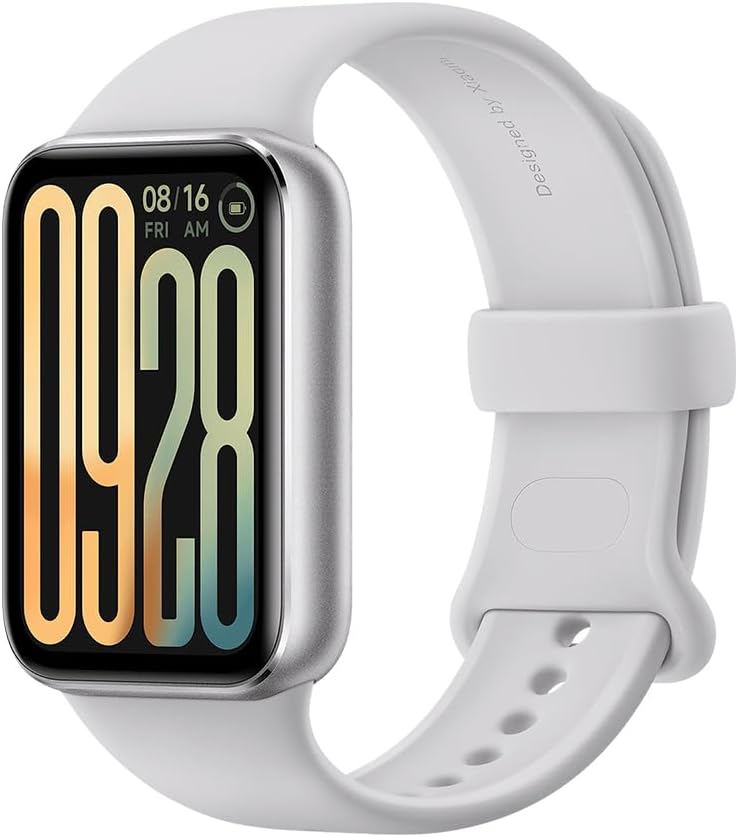
Here's the uncomfortable truth: the Xiaomi Band 9 at £39.99 tracks your heart rate, steps, and sleep just fine. It's rated 4.5 stars to the Charge 6's 4.2, and costs a quarter the price. For pure fitness metrics, the Xiaomi is arguably superior. The band feels marginally flimsy, the UI is clunkier, and you're stuck in Xiaomi's ecosystem rather than Google's—but it works.
The Fitbit Inspire 3 at £69.99 is Fitbit's entry point, and it's genuinely tempting. You lose GPS, ECG, and the AMOLED display, but gain £50 in your pocket. For someone not concerned with cardiac health or serious GPS tracking, it covers fitness basics thoroughly. The Charge 6 adds roughly £50 of features for £50 extra, which is at least honest pricing.
The Xiaomi Band 9 Pro at £59.99 splits the difference with always-on AMOLED and longer battery claims, though real-world testing suggests the Charge 6's battery holds up better under heavier use.
Verdict
The Fitbit Charge 6 is a competent mid-range tracker that delivers what it promises: accurate health monitoring, reliable GPS, and seamless Google integration. It's not revolutionary, but it's reliably useful. The 4.2-star rating from 9,800 reviews reflects reality—most people find it good enough to recommend, but hardly exceptional.
The real question is whether you value Google ecosystem integration enough to justify £119.99 versus Xiaomi's £39.99. If you're already using Google Maps, Wallet, and YouTube Music daily, the answer leans toward yes. If you just want to count steps and monitor sleep, the Xiaomi makes more financial sense. The Charge 6 occupies the middle ground: more expensive than necessary for basic fitness tracking, but genuinely good at what it does. That's respectable, just not exceptional.
Specifications
| GPS | Built-in |
| Display | AMOLED touchscreen |
| Sensors | HR, SpO2, ECG, skin temperature |
| Battery Life | 7 days |
| Water Resistance | 50m |
Key Features
- Google apps: Maps, Wallet, YouTube Music
- Most accurate Fitbit heart rate sensor yet
- Built-in GPS for outdoor workout tracking
- ECG and irregular heart rhythm notifications
- 7-day battery life
- 6-month Fitbit Premium membership included